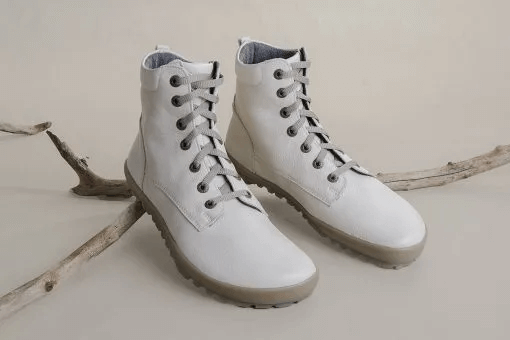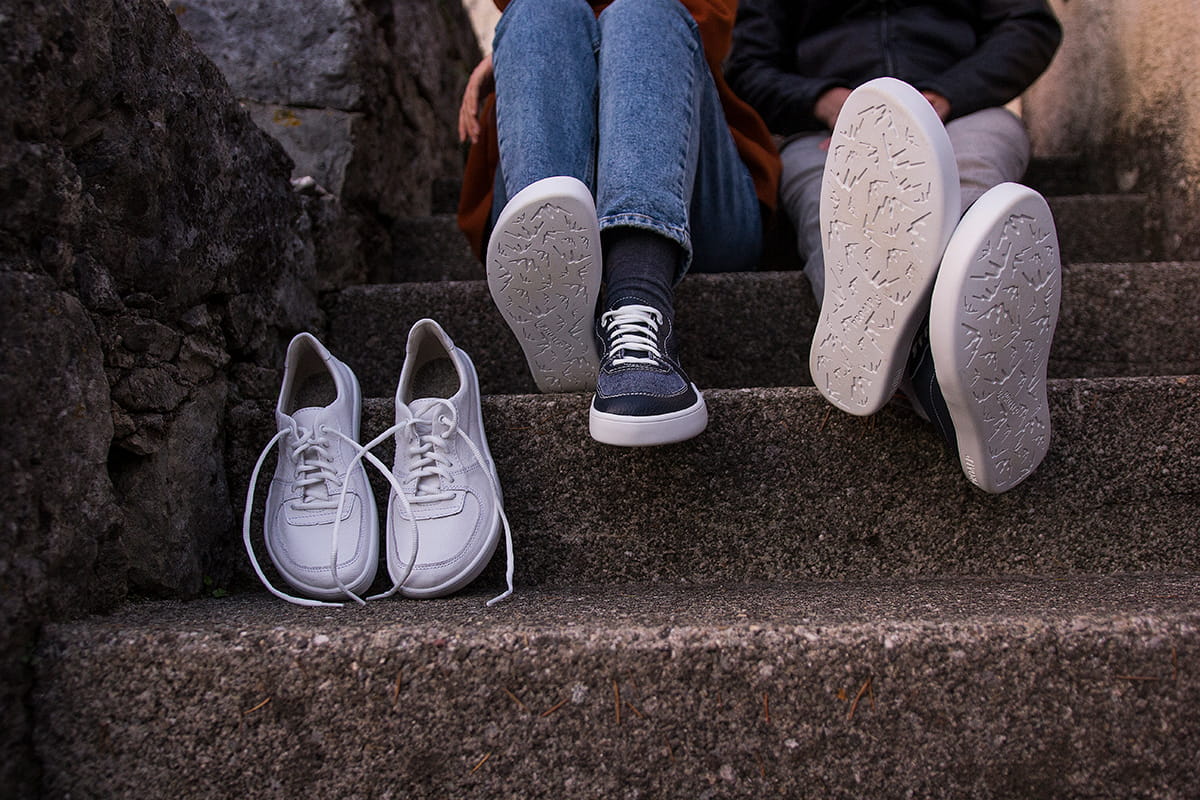
Barefoot shoes and minimalist footwear are becoming increasingly popular across Europe, as they support natural walking, foot biomechanics, and healthy movement, while providing immediate comfort from the very first wear..
However, choosing the right barefoot footwear is not always straightforward, as the market now offers a wide range of barefoot shoes.
In this short guide, we explain how to choose barefoot shoes that truly match your feet, natural gait, and movement needs.
What are barefoot shoes?
Barefoot shoes are a type of functional footwear designed to replicate the natural feeling of walking barefoot while still protecting the foot from the ground.
- flat sole (no drop between heel and toes)
- thin and flexible sole
- wide toe box
- no arch support
- lightweight and flexible
This type of minimalist footwear supports natural foot function, encourages proper posture, and activates the muscles of the foot and lower leg. By allowing greater ground contact and natural movement, barefoot shoes help promote foot health, balance, and overall biomechanical efficiency.
1. Check the length of your feet
When standing in shoes, there should ideally be around 12 mm of space in front of your toes. In functional footwear and barefoot shoes, this extra space is essential for natural walking, proper foot biomechanics, and healthy foot function.
When we walk, the foot naturally moves forward inside the shoe, so the toes need sufficient room to spread, move, and engage properly. Adequate toe space in minimalist footwear helps support balance, comfort, and long-term foot health.
2. Check the width of your feet
A very common mistake when choosing footwear, including barefoot shoes and functional footwear, is selecting shoe width based on visual appearance rather than proper foot measurement. This often leads to shoes that are too narrow.
Too narrow shoes:
- restrict natural foot movement and reduce the benefits of natural walking and foot biomechanics
- negatively affect blood circulation, and compromise overall foot health
- over time, excessive pressure can lead to discomfort and pain
- deformation of the shoe, reducing durability
3. Sole thickness and flexibility
Barefoot soles are typically thin and flexible to allow us to feel the ground and bend with the foot. When choosing sole thickness, consider your lifestyle and the capacity of your feet.
Choosing barefoot shoes based on purpose:
- for hiking in nature, look for shoes with a profiled sole and good grip
- for everyday wear, an appealing design
- for all-day standing work on hard floors, some cushioning increases comfort and prevents pain
- those who want to feel the ground surface under their feet as much as possible should choose the thinnest sole
- for winter, choose a thicker sole and additional insoles
Our feet have very different capacities:
- some can walk barefoot for hours on various surfaces without a care
- others can manage walking on soft grass and flat ground but gasp when walking on sand and small stones
- for some, direct contact with the ground is uncomfortable, and they quickly tire without arch support or raised heels
With more sensitive feet, we will naturally choose barefoot shoes with a thicker sole to start with.
4. Materials: Natural or Synthetic?
– price: synthetic materials are lower priced than leather
– washability: synthetic materials can be machine washed, leather ones are cleaned by hand and cared for with cream or spray
– breathability: synthetic materials can be mesh but also overheat, leather is breathable and regulates temperature
– durability: synthetic materials have a shorter lifespan than quality leather, which, with proper care, is durable and retains its properties
5. Transition to Barefoot Footwear (Very Important)
If you are wearing barefoot shoes for the first time, start gradually. Your feet and muscles need to adapt:
- start with shorter walks
- gradually extend wearing time
- listen to your body
A too rapid transition can cause discomfort. Read more about how to start wearing barefoot shoes in this article.
6. Frequently Asked Questions
Are barefoot shoes suitable for everyone?
In most cases, yes, but a gradual transition is recommended.
Do they help with foot pain?
They can help, as they allow for more natural movement, but it depends on the individual. For some, the free movement and strengthening of foot muscles already helps. For others with very sore feet, they might not.
Can we wear them every day?
Yes, once the feet get used to this way of walking and it feels comfortable.